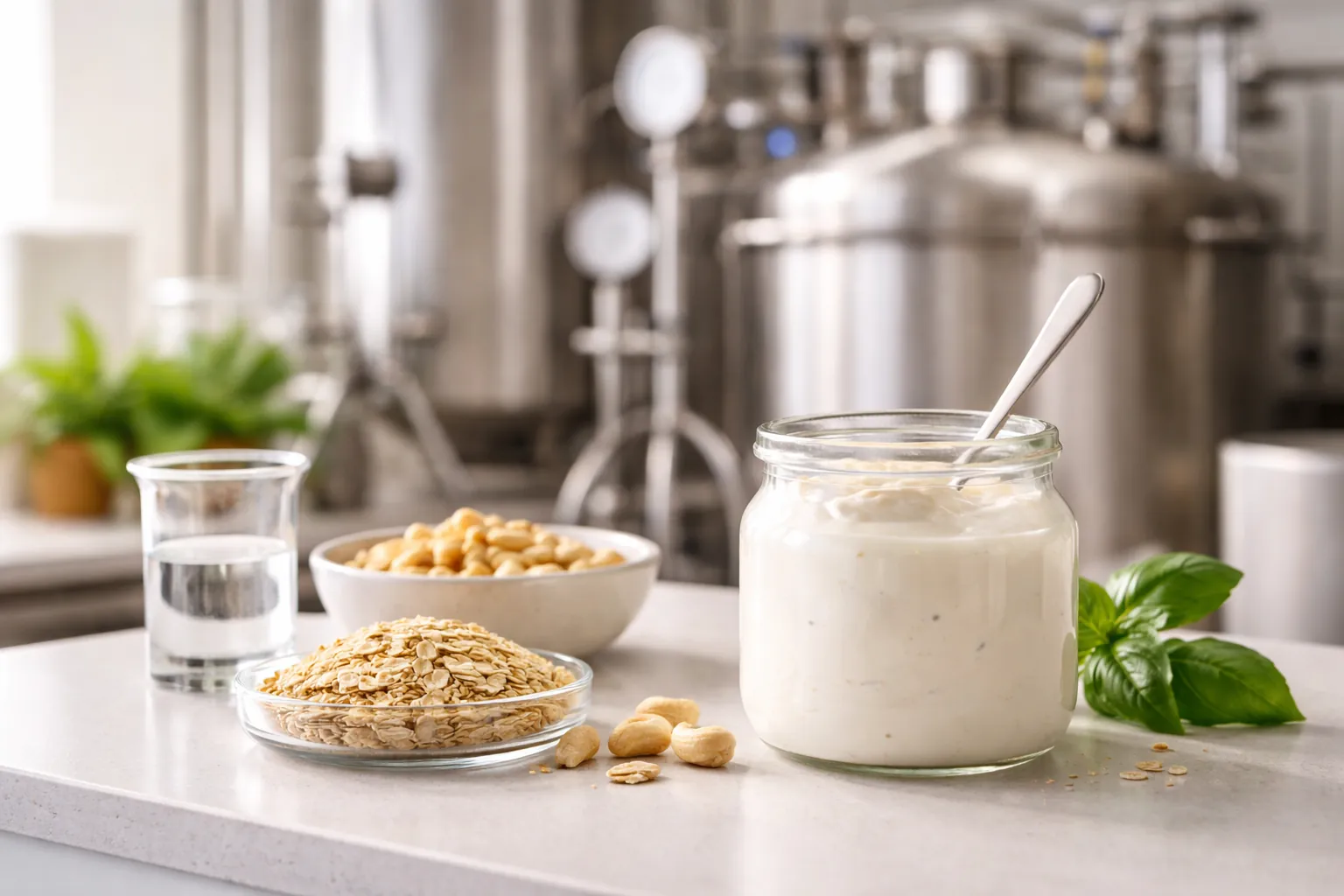
The plant-based food category continues to evolve at pace, shaped by consumer preferences, industry innovation and sustainability goals. In 2026, growth isn’t just about replacing animal products, it’s about redefining what plant-based food can be across ingredients, formats and functionality.
For manufacturers and grocery retailers alike, understanding these trends is critical to delivering on shopper expectations and staying ahead of the competition. From ingredient innovation and clean label reformulation to new convenience formats and sustainability imperatives, the plant-based landscape is becoming richer and more complex.
Plant-based products are moving beyond imitation meat and mainstream milk alternatives toward whole, recognisable ingredients.
Consumers are increasingly seeking plant foods that feel natural and minimally processed, such as legumes, mushrooms, jackfruit and hearty grains, ingredients that offer texture, nutrition and culinary versatility without heavy processing. This shift reflects broader demand for products that deliver both sustainability and nutritional value rather than simply mimicking animal foods.
In the grocery context, this means:
For manufacturers, this trend requires formulation expertise that balances whole ingredients with product stability and taste.
Consumers are more label-savvy than ever. Clean-label products (those with minimal and recognisable ingredients) are gaining preference as shoppers look to avoid ultra-processed foods.
At the same time, functional nutrition is emerging as a key value driver. Ingredients that offer health benefits, such as high protein, fibre or live vegan cultures are resonating strongly with consumers who want more from their food than just sustainability.
For plant-based manufacturers, this means continually evolving formulation strategies to incorporate emerging bases and blends, while ensuring nutritional balance and clean-label transparency.
Plant-based eating in 2026 is no longer defined by traditional product categories alone, it’s increasingly shaped by formats that fit modern, time-poor lifestyles. Shoppers want food that works harder for them: convenient, portable and nutritionally purposeful, without compromising on taste or quality.
Insights from The Grocer’s Food to Go report highlight just how much this shift is influencing retail. Nearly 50% of shoppers now actively look for healthier grab-and-go options, with demand moving beyond basic convenience towards fresh, high-quality nutrition. Salads are growing three times faster than sandwiches at some of the UK’s most popular food-to-go destinations, while high-protein, fresh and premium meals continue to gain momentum. Importantly, shoppers are also willing to pay more for quality nutrition at breakfast, creating new opportunities for plant-based yoghurts, kefirs and functional dairy-free formats.
For manufacturers, this trend demands greater flexibility and speed. Developing successful food-to-go formats often means adaptable processing lines, scalable batching systems and close collaboration between brands and manufacturing partners to move from concept to shelf efficiently. At Met Foods, our experience producing chilled, cultured and dairy-free products at scale allows us to support brands developing convenient formats that meet both retail performance expectations and evolving consumer lifestyles.
Sustainability remains a central driver in plant-based growth, but the focus has moved from marketing narratives toward measurable practices. Consumers increasingly expect:
Industry research shows sustainability, particularly around responsible sourcing and traceability, is becoming a decisive purchasing criterion, especially for ethically minded consumers. foodindustryreview.com
Met Foods’ own focus on sustainable facilities, quality systems and responsible practices positions the business well within this landscape, as brands increasingly prioritise partners with strong sustainability credentials.
Fermentation, already key in plant-based dairy alternatives, is spreading into broader flavour and product innovation.
Fermented vegetables, beverages and condiments are growing globally as consumers seek complex, probiotic-rich flavours that also support gut health. Edible Planet. This trend not only enriches sensory experiences but also provides nutritional benefits that go beyond basic sustenance.
Plant-based products can leverage fermentation to:
Manufacturers experienced in fermentation, such as Met Foods, are uniquely positioned to explore these frontiers, applying bacterial culture expertise in yoghurt alternatives, kefir and spreads to newer product categories.
Plant-based food in 2026 isn’t static. It’s being reshaped by consumer demand for natural ingredients, functional nutrition, varied formats and measurable sustainability. Grocery growth reflects that evolution, with plant-based products moving beyond early imitators toward ingredient-rich, nutrition-forward and experience-driven innovations.
For manufacturing partners, staying ahead means understanding these trends deeply, investing in technical capabilities and supporting brand partners through every stage of concept, formulation and commercialisation.